
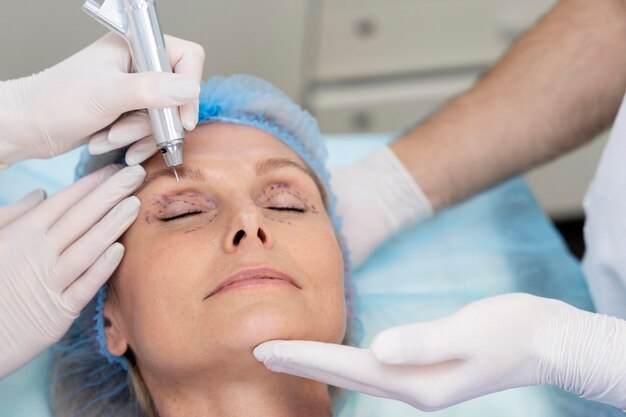
Eyes do far more than help us see; they also shape how we communicate, how rested we appear, and how confidently we move through the world. Modern eye-focused care blends delicate artistry with meticulous clinical decision-making, aiming to protect vision while restoring comfort and balance. When lids, tear drainage, or the surrounding facial structures are not working in harmony, even small irregularities can create outsized frustration. This article explores the refined approaches specialists use today to address both function and appearance, with an emphasis on safety, precision, and natural-looking outcomes.
Subtle Signals Worth Noticing
Many people ignore early changes around the eyes because they seem minor or happen gradually. A slight lid droop can begin to narrow the upper field of view, while persistent tearing can turn everyday tasks into a nuisance. Irritation, a sensation of heaviness, or frequent brow-raising to “open” the eyes may indicate that the eyelids are compensating for a structural issue. These shifts can also affect facial symmetry and make expressions look unintentionally tired. Recognising these cues early often leads to simpler solutions and better long-term comfort.
How Specialists Evaluate the Eye Region
Before any procedure, a detailed evaluation is essential. The process starts with understanding a patient’s history, when issues began, triggers, and how they affect daily life. Next, the doctor examines eyelid position, blink function, tear distribution, and how the eyelids interact with the eye surface. Imaging and measurements may be taken to track asymmetry and plan treatment carefully. For those interested in both functional and cosmetic improvements, factors like skin elasticity, muscle tone, and facial expressions are also assessed. Many trusted clinics offering oculoplastic eye surgery in Vadodara ensure this assessment is thorough, so the results are both safe and naturally balanced with the patient’s facial features.

Precision Planning Before Any Procedure
The most successful outcomes are usually determined before a single incision is made. Surgeons map the eyelid crease, estimate skin redundancy, and consider how tissue will settle over time as swelling resolves. They also factor in individual healing patterns, medical conditions, and medication use that can affect bruising and recovery. When planning around the lower lids, the goal is not simply “removing” fullness but redistributing or supporting tissues so the lid margin remains stable. A thoughtful plan anticipates the eye’s need for lubrication, natural blink mechanics, and symmetry from multiple angles, not just straight-on photos.
Techniques That Support Function and Comfort
Functional correction focuses on improving how the eyelids protect the eye and distribute tears. If the upper lid sits too low, targeted tightening or muscle adjustment can restore a clearer field of view and reduce forehead strain. If the lid turns outward or inward, meticulous repositioning can reduce rubbing, redness, and chronic irritation. Tear drainage problems may be addressed by treating blockages or narrowing, helping reduce overflow and recurrent infections. Many complaints that people assume are simply common vision issues are actually driven by eyelid mechanics or surface exposure, which is why comprehensive evaluation matters.
Refining Aesthetics Without Overcorrection
Aesthetic enhancement around the eyes is at its best when it preserves identity. Instead of chasing dramatic change, modern approaches prioritise subtle contour improvement and smoother transitions between the eyelid and cheek. Conservative skin removal, careful fat handling, and support of deeper structures can prevent a hollowed or “pulled” look. For some, a small lift or tightening can bring back definition to the upper lid platform; for others, softening lower-lid bulges can reduce shadowing that exaggerates fatigue. The aim is harmonious eyes that look refreshed while still moving naturally in conversation.
Safety Measures and Risk Reduction
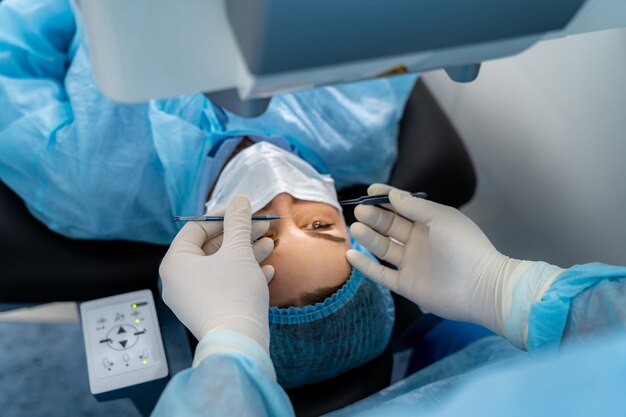
Eye-region procedures require rigorous safety protocols because the tissues are thin, vascular, and close to structures critical to vision. Surgeons minimise risk by controlling bleeding, using magnification, and protecting the cornea during surgery. Preoperative screening reviews dry eye tendencies, thyroid-related changes, allergy patterns, and previous eye surgeries. Postoperative plans also matter: swelling control, infection prevention, and guidance on activity restrictions can reduce complications. Patients who follow instructions closely often experience smoother healing and more predictable final shape settling.
Recovery, Healing Timelines, and What to Expect
Healing is a process, not a moment. In the first days, swelling and bruising can make the area look uneven, and the eyes may feel tight or watery. Most people return to routine activities gradually, while avoiding heavy lifting, intense bending, and rubbing. Over the following weeks, tissues soften, and small asymmetries often improve as inflammation fades. Scar lines, when placed thoughtfully, typically blend into natural creases. Clear communication about milestones, what is normal, what is not, and when to check in reduces anxiety and helps patients judge progress realistically.
Daily Habits That Protect Results
Long-term satisfaction depends on daily behaviour as much as the procedure itself. Sun protection helps maintain skin quality and prevents pigment changes along incision lines. Gentle cleansing, avoiding harsh friction, and using clinician-approved moisturisers support healthy healing. Good sleep posture can reduce morning puffiness, and managing seasonal allergies can limit habitual rubbing that irritates delicate eyelid skin. Thoughtful eye health tips include staying hydrated and taking regular screen breaks to support comfortable blinking patterns, especially for people who spend hours on digital devices.
Conclusion
Functional and aesthetic eye care has evolved into a highly precise discipline that balances appearance with the essential job of protecting the eye surface. By focusing on careful assessment, individualised planning, and meticulous technique, specialists can address discomfort, restore symmetry, and deliver outcomes that look natural rather than “done.” Patients benefit most when they notice early signals, seek expert guidance, and support healing with steady, protective habits. With the right partnership and realistic expectations, refined eye-focused care can enhance both confidence and everyday comfort.


