Our eyes are among the most delicate organs, and their health plays a significant role in our daily lives. Early attention to vision problems can prevent long-term complications, as many eye conditions develop gradually. Most people ignore minor symptoms like blurry vision, dryness, or eye strain, assuming they will go away on their own. However, such signs often indicate deeper issues that require timely intervention. Taking a proactive approach toward eye care ensures clear vision and prevents avoidable discomfort in the future.
Recognizing the First Signs of Vision Problems
Many eye issues begin subtly, with slight headaches after reading, squinting to see distant objects, or struggling with night vision. These symptoms can typically go unnoticed until they interfere with daily routines. Visiting an eye specialist in Vadodara at the first hint of discomfort is one of the most effective steps toward maintaining good vision. Early diagnosis helps detect conditions like refractive errors, cataracts, or glaucoma before they progress. Understanding and addressing these signs promptly safeguards not only your eyesight but also your overall quality of life.
Common Refractive Errors and Their Impact
Refractive errors are the most frequent vision problems, affecting people of all ages. They include myopia (nearsightedness), hyperopia (farsightedness), astigmatism, and presbyopia. These conditions occur when the eye’s shape prevents light from focusing correctly on the retina, leading to blurred or distorted vision. Consulting an eye specialist in Vadodara can help determine the correct prescription for glasses or contact lenses, ensuring proper correction. Routine checkups also detect early vision changes, helping you maintain visual clarity through timely adjustments to corrective wear.
Addressing Eye Strain in the Digital Age
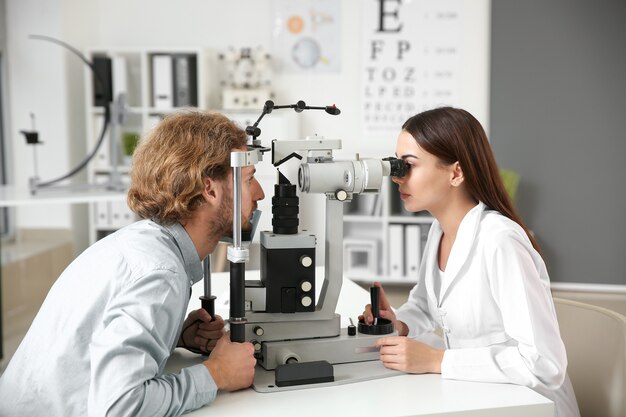
With increased screen time from work, study, and entertainment, digital eye strain has become a growing concern. Extended exposure to blue light can cause dryness, fatigue, and even blurred vision. Managing this involves taking regular breaks, following the 20-20-20 rule, looking away from the screen every 20 minutes for at least 20 seconds, and maintaining good posture. Using proper lighting and anti-glare screens also helps reduce discomfort. A consultation with an eye specialist in Vadodara can further identify the best practices or protective eyewear suited for your daily screen habits.
Understanding Age-Related Eye Changes
As we age, our eyes naturally undergo changes that can affect clarity and focus. Common age-related concerns include presbyopia, cataracts, and macular degeneration. While these are part of the natural aging process, lifestyle choices play a key role in delaying or managing their onset. Eating nutrient-rich foods, staying hydrated, and wearing UV-protective sunglasses are effective preventive measures. Regular eye exams can identify the earliest signs of degeneration, allowing timely treatment to preserve vision health and prevent severe deterioration over time.
Managing Dry Eyes and Irritation
Dry eyes are often caused by reduced tear production, environmental factors, or prolonged screen exposure. This condition can lead to itching, redness, and a constant feeling of discomfort. Simple lifestyle adjustments like using a humidifier, avoiding smoke, and blinking consciously while using screens can provide relief. Artificial tears or prescribed drops may be recommended depending on the severity. Recognizing persistent dryness early helps prevent more serious corneal complications and maintains comfort in everyday visual activities like reading and driving.
Detecting Serious Eye Diseases Early
Some eye diseases progress silently, causing irreversible damage before symptoms appear. Glaucoma, diabetic retinopathy, and macular degeneration are examples of such conditions. Regular comprehensive eye exams are the best defense against these hidden threats. Early detection allows doctors to begin treatment promptly, preventing vision loss. It’s important to maintain consistent follow-ups, especially for individuals with a family history of eye disease or those with diabetes. Modern diagnostic tools can identify early changes in the retina long before vision impairment becomes noticeable.
Building Healthy Habits for Stronger Vision
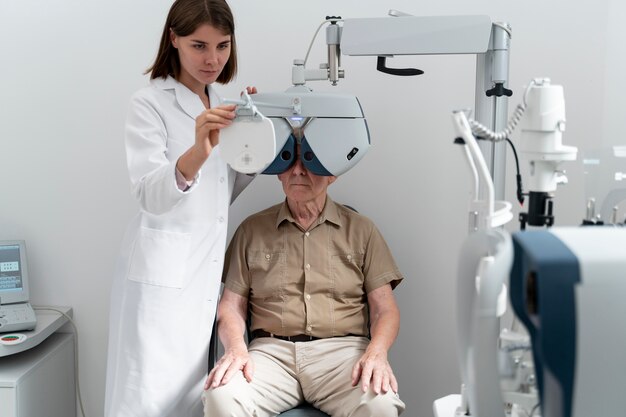
Good eye health extends beyond clinic visits; it involves daily habits that protect your eyes naturally. Incorporating leafy greens, omega-3-rich foods, and plenty of water into your diet helps maintain moisture and strength. Avoid rubbing your eyes, and get sufficient sleep to allow them to recover. Reducing exposure to harsh light and maintaining clean contact lenses also makes a difference. To explore more eye care techniques, stay informed about preventive practices, and follow professional advice to make vision protection a lifelong commitment.
The Importance of Regular Eye Exams
Routine checkups are not just for people with vision problems; they are vital for everyone. Eye exams can detect early signs of medical conditions, such as hypertension and diabetes, often before other symptoms appear. Even if your vision seems perfect, annual visits help monitor subtle changes that may otherwise go unnoticed. Detecting shifts in prescription strength, spotting early cataract formation, or identifying retinal issues early allows for timely solutions. Prioritizing consistent care is the simplest way to maintain clear, healthy vision across all stages of life.
Embracing a Lifelong Commitment to Vision Health
Maintaining good eyesight requires awareness, discipline, and regular professional care. Small steps, such as taking screen breaks, eating well, and scheduling timely check-ups, go a long way in ensuring lasting visual clarity. Protecting your eyes is not a one-time effort but an ongoing process that reflects your overall well-being. When you stay proactive and informed, your eyes reward you with years of comfort and reliability. Vision is one of life’s greatest assets, and caring for it should always remain a priority.