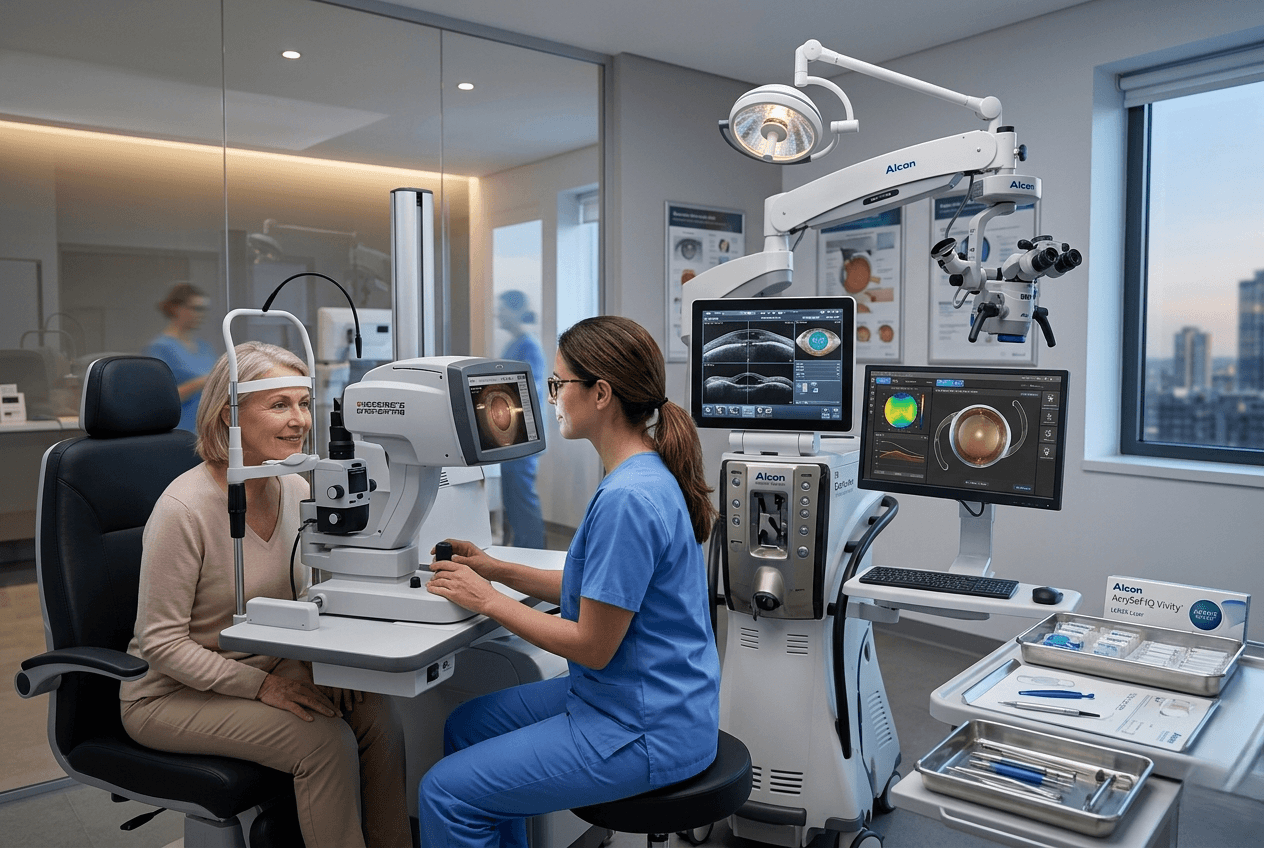
Clear, dependable vision is closely tied to the transparency and optical precision of the eye’s natural lens. With age, metabolic changes, UV exposure, certain medications, and systemic conditions such as diabetes, the lens can lose its clarity, leading to glare, reduced contrast, muted colors, and progressive blur. Fortunately, eye care has advanced far beyond “wait and watch.” Today’s clinicians can detect early lens changes with high-resolution diagnostics, reduce day-to-day visual disturbance with customized optical strategies, and restore clarity through refined surgical options when needed.
Early Diagnostics Improve Lens Clarity
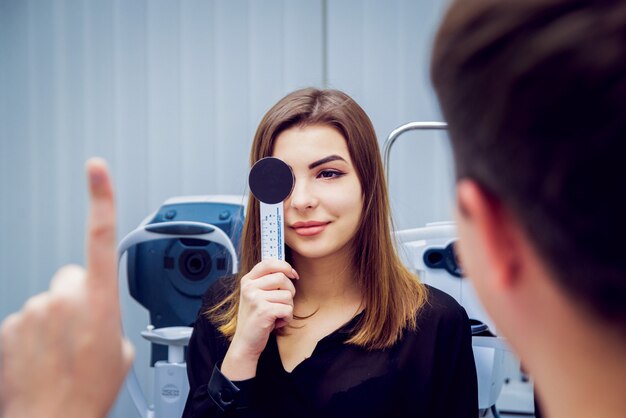
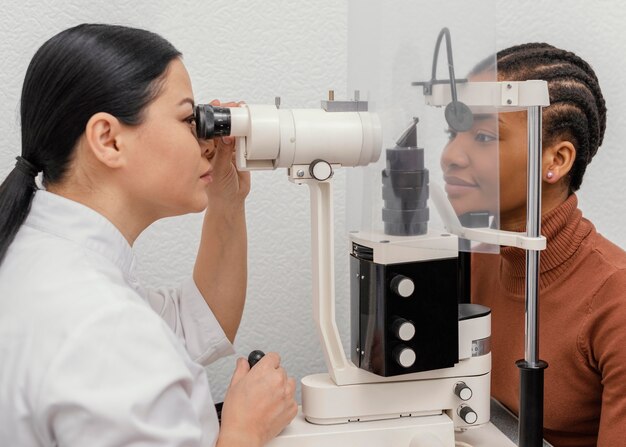
Modern eye examinations can identify early lens opacity and related optical issues long before daily tasks become difficult. Optical biometry, corneal topography, wavefront aberrometry, and high-magnification slit-lamp imaging help clinicians distinguish whether reduced clarity stems primarily from lens changes, ocular surface disease, or retinal factors. These insights allow a more precise treatment plan, whether that means optimizing tear film, updating prescriptions, or planning lens-based intervention at the appropriate time.
Early Treatment Delays Lens Clouding
In many patients, lens clarity problems begin gradually and coexist with dryness, inflammation, or fluctuating refraction. For patients seeking guidance locally, clinicians who routinely manage early lens changes alongside cataract surgery in Vadodara often begin with a structured, conservative pathway: ocular surface optimization, refined spectacle correction, glare mitigation strategies, and careful monitoring intervals. Addressing modifiable factors, such as uncontrolled blood sugar, smoking, and UV exposure, can also help slow progression and stabilize vision between visits.
Daily Habits Support Clearer Lenses
While no lifestyle approach can reverse an established cataract, protective habits can reduce oxidative stress and support overall ocular health. Consistent UV-blocking eyewear, brimmed hats in intense sunlight, and smoking cessation are practical steps with meaningful long-term benefits. Nutrition also plays a role: diets rich in colorful vegetables and fruits provide antioxidants that support eye tissues, and hydration helps maintain tear film quality, which influences clarity. Adjusting lighting, reducing harsh overhead reflections, and using appropriate screen brightness can improve perceived clarity even when the lens is only mildly affected.
Smart Optics Reduce Glare Sensitivity
Spectacle technology has progressed significantly. Updated prescriptions can incorporate anti-reflective coatings, optimized lens materials, and tints designed to manage glare and enhance contrast in bright or low-light environments. For some individuals, separate driving glasses or task-specific eyewear offers meaningful functional improvement. Importantly, any optical strategy should be paired with ocular surface evaluation, because dryness can mimic or amplify lens-related blur and glare.
Tear Film Stability Sharpens Vision
A stable tear film is the front window of the eye. Even mild dry eye can cause fluctuating vision, ghosting, and glare that patients often attribute to the lens alone. Modern dry eye management may include preservative-free lubrication, lid hygiene, thermal therapies for meibomian gland dysfunction, anti-inflammatory drops when appropriate, and environmental modifications. That is why many clinics incorporate precision techniques in modern eye care into their pre-intervention workflow, ensuring that both surface stability and internal optics are properly assessed before a definitive plan is chosen.
Micro Incisions Deliver Faster Recovery
When lens opacity progresses to the point that daily activities are affected, surgical restoration becomes the most definitive solution. Modern cataract procedures commonly use micro-incision phacoemulsification with advanced fluidics, improved energy modulation, and enhanced visualization systems. In select cases, femtosecond laser assistance can automate specific steps and improve reproducibility. Overall, these advancements aim to reduce surgically induced distortion, speed recovery, and improve the quality, not just the quantity, of vision.
Lens Implants Match Personal Priorities
Lens implants are no longer a one-size-fits-all solution, as patients today can choose from monofocal lenses, toric options for correcting astigmatism, and advanced presbyopia-correcting designs based on their specific needs. The right choice depends heavily on a person’s daily routine and visual expectations, whether that includes frequent night driving, extended screen time, or active outdoor living. Understanding these factors alongside common vision challenges and prevention tips can help patients and doctors work together to select a lens that offers the best balance of clarity, comfort, and long-term satisfaction.
Matching Lens Design to Daily Tasks
A careful lifestyle review helps align lens choice with real routines. Someone who drives at night may prioritize contrast and reduced glare, while another patient may value greater independence from reading glasses.
Managing Astigmatism for Cleaner Optics
Uncorrected astigmatism can blur vision even after the cloudy lens is removed. Toric lenses or corneal approaches may reduce distortion and improve crispness across distances.
Discussing Trade-offs Transparently
Presbyopia-correcting lenses may offer more range but can introduce halos or reduce contrast in some settings. A candid conversation ensures expectations match optical reality.
Planned Follow Ups Improve Outcomes
Lens changes are progressive for many people, but the pace varies widely. The most effective approach is proactive monitoring with documented visual function, glare symptoms, and lifestyle impact. Clinicians who coordinate long-term plans that may eventually include cataract surgery in Vadodara frequently emphasize early optimization steps, such as surface treatment and prescription refinement, while also explaining surgical timing in practical terms.
Long Term Care Preserves Clarity
Improving lens clarity does not end with the procedure or prescription update. Post-treatment care includes protecting the ocular surface, ensuring the final refractive outcome is stable, and managing residual glare or dryness. Equally important is patient education. People who understand symptom patterns and risk factors are better positioned for managing vision problems in the early stages and maintaining stable, high-quality vision over time. With modern diagnostics, refined surgical approaches, and individualized optical strategies, most patients can achieve clearer vision and improved confidence in daily tasks.
Conclusion
Modern solutions for improved eye lens clarity are built on precision, personalization, and timely intervention. Early-stage care focuses on identifying the true source of blur and glare, optimizing the ocular surface, and using advanced optical options that enhance contrast and comfort. By combining proactive monitoring with individualized treatment choices, patients can preserve visual function longer, make better-informed decisions, and ultimately achieve clearer, more comfortable vision suited to their lifestyle.