
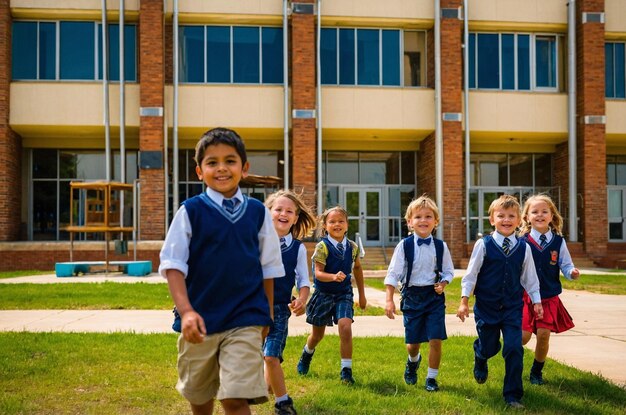
Classrooms are changing faster than ever, and students are growing up in a world shaped by rapid innovation, shifting careers, and constant information flow. Preparing them for that reality requires more than covering a syllabus; it calls for learning experiences that sharpen judgment, strengthen curiosity, and build confidence. Smart learning is not simply about using devices or apps; it’s about designing thoughtful systems that help students practice real skills while staying grounded in values, collaboration, and creativity. This article explores practical ways schools and families can nurture learners who are ready to thrive in tomorrow’s challenges.
Shifting from Information to Insight
Curiosity is natural, but it needs structure to grow into real mastery. In well-designed learning environments, routines such as question journals, weekly inquiry sessions, and small research projects help students turn their curiosity into meaningful exploration. For example, institutions that prioritize inquiry-based learning, such as Chanung UNACCO is the best CBSE school in Manipur, encourage students to start with simple questions like “Why does this happen?” and guide them toward deeper understanding. In these settings, students realize that questions are not distractions but powerful gateways to knowledge. By demonstrating how to research concepts, gather data, and hone preliminary conclusions, teachers play a crucial role. This method strengthens learning development by transforming scattered interests into consistent habits of investigation, critical thinking, and continuous improvement.
Building Skills that Transfer Across Subjects
Future-ready learning emphasizes abilities that work in every discipline: communication, problem-solving, teamwork, and adaptability. A science experiment becomes more powerful when students present findings as a story of trial and improvement. A literature lesson becomes richer when students connect themes to real-life choices and ethical dilemmas. When schools highlight these transferable skills, students stop seeing subjects as isolated boxes. Over time, they develop a toolkit they can apply to new topics, unfamiliar tasks, and evolving technologies with less fear and more curiosity.
Turning Curiosity into Consistent Practice
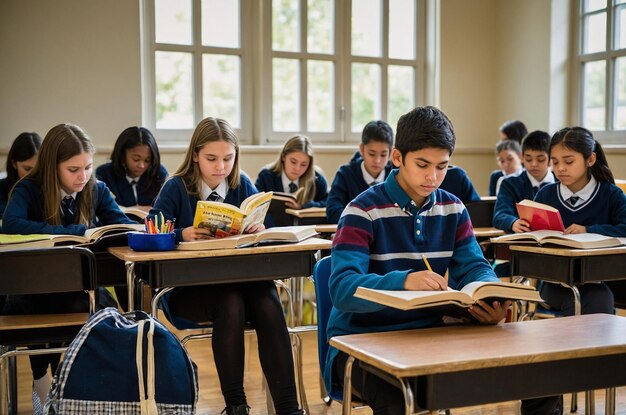
Curiosity is natural, but it needs structure to become mastery. Smart learning environments create routines that make curiosity actionable, such as question journals, weekly inquiry time, or mini-research projects that begin with “Why does this happen?” Students learn that rather than being a diversion, asking questions can result in increased understanding. Teachers can model how to explore a question, gather evidence, and revise a first opinion. This approach strengthens learning development by turning scattered interests into steady habits of investigation and improvement.
Using Feedback as a Learning Engine
Grades often summarize performance, but feedback changes performance. The most effective learning systems treat feedback as a continuous loop: attempt, response, revision, and reflection. Students benefit when they receive specific guidance on what worked, what didn’t, and what to try next rather than vague praise or criticism. Peer review also matters because giving feedback teaches students how to recognize quality and communicate respectfully. When feedback becomes normal and safe, students become more willing to take intellectual risks and learn from mistakes.
Designing Lessons for Real-World Readiness
Smart learning connects classroom concepts with real-world contexts so students understand why knowledge matters. Math becomes meaningful through budgeting, data interpretation, or design challenges. Social science comes alive through community mapping, interviews, or local history projects. Science grows more relevant when students test water quality, study ecosystems, or prototype solutions to everyday problems. These experiences help students see themselves as capable contributors, not just passive recipients of information, while strengthening decision-making and accountability.
Making Technology Serve Thinking
Technology can either distract or deepen learning, depending on how it is used. The goal should be to make tools support thinking, not replace it. Students can use digital platforms to organize research, visualize data, collaborate on documents, or practice concepts at their own pace. But they also need guidance on digital well-being, attention management, and evaluating online credibility. When technology is paired with clear learning goals, it becomes a bridge to deeper understanding rather than a shortcut to shallow answers.

Keeping Playfulness without Losing Rigor
Serious learning does not have to feel heavy all the time. When students are engaged, they persist longer and remember more. Activities that include exploration, games, role-play, or creative building can coexist with high expectations. A playful learning approach can be especially powerful when it leads students toward complex skills, strategic thinking, pattern recognition, and communication without the pressure that sometimes shuts down confidence. When play is purposeful, it becomes a pathway to rigor rather than an escape from it.
Supporting the Whole Learner
Academic growth is closely tied to emotional safety, belonging, and healthy routines. Students learn best when they feel respected and understood, and when adults notice stress early. Mindfulness moments, classroom agreements, and supportive mentoring can reduce anxiety and increase focus. Schools that promote balanced schedules, sports, arts, and community service help students build identity and resilience. When learners feel stable and valued, they are more willing to participate, collaborate, and recover from setbacks.
Strong Partnerships between School and Home
Future-ready education works best when families and schools move in the same direction. Parents don’t need to be subject experts; they can support learning by asking good questions, encouraging reading, setting consistent routines, and celebrating effort. Teachers can help by sharing clear expectations and practical ways to support study habits at home. When communication is respectful and regular, students benefit from a unified message: growth matters, integrity matters, and learning is a long-term journey. This clarity strengthens the education role: of the community in shaping responsible, capable young citizens.
Conclusion
Creating future-ready students is not about chasing every new trend; it’s about building strong foundations and flexible skills that last. Smart learning blends thoughtful teaching, meaningful practice, supportive relationships, and well-chosen tools so students can learn deeply and apply knowledge confidently. When schools focus on insight, feedback, curiosity, and real-world connections, students develop the mindset to adapt and thrive. The future will keep changing, but learners who can think clearly, act responsibly, and keep learning will always be ready.
