
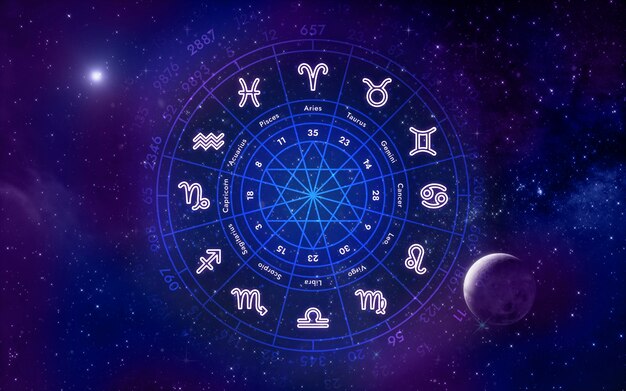
Most people imagine planetary alignments as distant, dramatic events, something that belongs to telescopes, calendars, or mythology. Yet the idea has a quieter, more practical side: patterns in the sky can become patterns in attention. When you treat the heavens as a symbolic clock, you start noticing how certain days feel better for initiating, editing, reconciling, or simply resting. This article explores how alignment themes can shape everyday decisions without requiring blind belief or rigid rules.
The Sky As A Mirror For Attention
When several planets cluster in the same region, many people experience a sense of “single-pointedness,” as if life is asking for a tighter focus. In Jyotish Vedic astrology, this clustering is often read as an emphasis on an invitation to streamline priorities rather than scatter energy. The practical value is straightforward: if you’re already feeling pulled toward one major task, you can stop fighting that gravity and structure the day around it. Instead of forcing variety, choose one core objective and let smaller actions support it.
Timing Choices When Everything Feels Loud
On days when alignments stack intensity through conjunctions, squares, or oppositions, choices can feel urgent, even if the situation doesn’t truly require speed. This is where a personal rule helps: avoid irreversible decisions when your nervous system is overstimulated. Place the keyword astrology tips in the middle of your planning process, not as a slogan, by using it as a reminder to insert a “cooling period” between impulse and action. You can draft the email, outline the proposal, or map the budget, then wait a few hours before sending, committing, or purchasing.

How Alignments Nudge Habits Without You Noticing
Not every influence arrives as a dramatic mood swing. Sometimes an alignment correlates with tiny behavioral shifts: snacking more, doom-scrolling longer, postponing a workout, or seeking reassurance through messages. The helpful move is to treat these shifts as data. If you notice repeated patterns, plan around them. Set your healthiest task earlier in the day, pre-decide your meals, or schedule social time intentionally. A symbolic framework can help you name the pattern, but the real change comes from designing the environment, so choices become easier.
The Subtle Pressure Of Conjunctions
Conjunctions of planets appearing close together are often experienced as “compressed meaning.” Two drives share one lane, and that can translate into productivity or pressure. If you feel compelled to solve everything at once, split your day into containers: one block for creation, one block for review, one block for communication. Put friction where you need restraint, like turning off notifications during deep work. This helps you harvest the best part of conjunction energy cohesion, without falling into obsessive looping or perfectionism.
Tension As A Tool For Better Decisions
Hard aspects can feel like inner conflict: one part of you wants security, another wants freedom; one wants comfort, another wants growth. Instead of trying to eliminate tension, treat it as a decision-making instrument. Write both desires down, then translate each into a small, testable action. That way, you avoid “all-or-nothing” swings. In the middle of this process, consider the phrase hidden energy source as a useful metaphor: the friction itself can fuel movement, but only if you channel it into experiments rather than arguments with yourself.
Communication Shifts And The Art Of Delay
Certain alignment patterns correspond, in many traditions, with misunderstandings, mixed signals, or rapid mental pacing. The daily choice here is not to speak less, but to speak later. If a message feels emotionally loaded, draft it and step away. If a conversation feels confusing, ask clarifying questions instead of guessing intent. If you’re negotiating, summarize terms in writing. This doesn’t require predicting outcomes; it’s simply a strategy for days when collective noise seems higher, and your interpretation engine is more likely to misfire.
Love, Money, And The Pull Of Immediate Gratification
Alignments that heighten desire can lead to quick fixes: impulse purchases, emotional texting, comfort food, or jumping into commitments to escape uncertainty. A practical approach is to adopt “two-tier choices.” Tier one is permitted anytime: small pleasures that don’t create future debt, tea, a walk, music, five minutes of stretching. Tier two requires a waiting window: purchases over a set amount, big relationship declarations, or risky career moves. When you keep the door open for healthy soothing, you reduce the urge to reach for choices that create long-term consequences.
Building A Personal Alignment Journal
If you want to work with alignments as a decision aid, keep the method grounded. Choose three daily metrics: energy level, emotional tone, and focus quality. Add one line about a major choice you made and whether it felt aligned or forced. Over a month, you may notice repeating themes: certain sky patterns coincide with better drafting days, others with better editing days, and others with better social days. The goal is not to obey the sky; it’s to observe your own cycles and use timing as one more lever for smarter choices.
Conclusion
Planetary alignments can be approached as poetry, psychology, tradition, or simple pattern practice. Whatever your worldview, the most useful takeaway is that timing influences behavior because attention is not constant. When you recognize the kinds of days that amplify focus, tension, or desire, you can make gentler plans and choose with less regret. Treat the sky as a symbolic weather report: you still decide where to go, but you dress appropriately, pace yourself, and act with a little more care.


