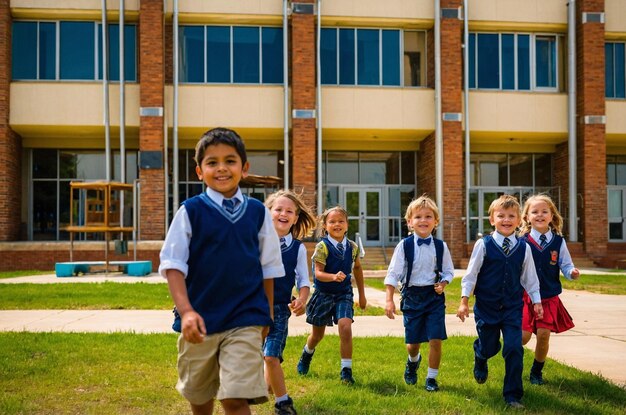
Early education plays a crucial role in shaping a child’s cognitive, social, and emotional development. Engaging children in activities that stimulate curiosity and creativity helps establish the foundation for lifelong learning. Experiences that promote exploration, problem-solving, and collaboration encourage learners to approach challenges with confidence. When young minds are nurtured in an environment that balances structure and play, they develop critical thinking skills and a natural enthusiasm for discovery. These early experiences are instrumental in fostering self-confidence, resilience, and a love for learning that carries into later stages of education, ensuring children are prepared to embrace every new opportunity with curiosity and excitement.
Choosing the Right Environment for Learning
Selecting an environment that supports holistic development is essential for early childhood growth. Many families find that enrolling children in a kindergarten school in Bangalore ensures a mix of academic learning, creative play, and social interaction. Educators focus on developing essential life skills, encouraging children to communicate effectively, share ideas, and collaborate with peers. Such institutions provide a safe and stimulating space where learners can explore their interests, express creativity, and develop confidence in their abilities. This approach prepares children to embrace challenges and build a strong academic and social foundation that benefits them throughout their educational journey.
Encouraging Exploration and Curiosity
Hands-on experiences help children connect theoretical concepts with practical understanding. Activities like storytelling, arts and crafts, and guided experiments engage learners actively, enhancing comprehension and retention. Programs at a kindergarten school in bangalore often integrate curiosity-driven learning with structured lessons, allowing children to experiment, ask questions, and discover new ideas. By fostering inquiry-based learning, educators help students develop analytical thinking and problem-solving abilities while maintaining a sense of wonder and excitement about the world around them. These activities also nurture early observation skills, helping children notice patterns and details that strengthen cognitive growth.
Supporting Emotional and Social Development
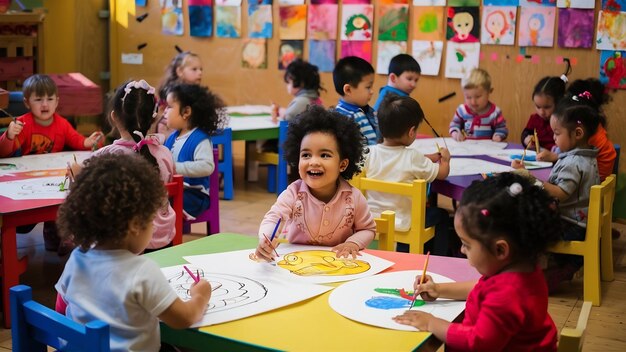
Social and emotional intelligence is a critical aspect of early education. Children learn to navigate emotions, resolve conflicts, and collaborate with peers in supportive environments. Schools that encourage sharing, empathy, and teamwork help students build positive relationships and confidence in group settings. Guidance from caring educators allows children to express themselves freely while understanding others’ perspectives. Through structured activities and social interaction, learners develop emotional resilience and interpersonal skills that are vital for academic success and personal growth. Cultivating these abilities early ensures children adapt easily to future social and educational challenges.
Developing Cognitive and Motor Skills
Cognitive and motor development go hand in hand during early childhood. Activities such as puzzles, games, and physical exercises improve memory, focus, coordination, and critical thinking. Incorporating problem-solving tasks into daily routines stimulates both intellectual and physical abilities. Children learn to approach challenges strategically, enhancing their readiness for more advanced learning. By offering varied experiences that combine cognitive stimulation with motor skill development, schools help students become confident, well-rounded learners prepared to tackle future academic and social challenges while maintaining a sense of curiosity and independence.
Fostering Creativity and Imagination
Creativity is essential for innovation, self-expression, and intellectual growth. Schools that integrate music, dance, art, and imaginative play into their curriculum encourage children to think beyond conventional boundaries. Programs at a kindergarten school in bangalore focus on providing ample opportunities for creative exploration, allowing learners to develop unique talents and interests. Encouraging experimentation nurtures originality, builds confidence, and fosters critical thinking skills that benefit both academic and personal growth. Creative learning experiences inspire children to approach problems with curiosity and flexibility while discovering new ways to express their ideas.
Promoting Lifelong Learning Habits
Developing a love for learning early helps students remain motivated and curious throughout their academic journey. Structured lessons combined with playful, hands-on activities create engaging experiences that reinforce knowledge. Parents and educators can collaborate to browse learning resources that complement classroom instruction, providing opportunities for children to explore topics independently. By cultivating curiosity and self-directed learning habits, schools ensure that learners develop both cognitive skills and a genuine enthusiasm for acquiring new knowledge. Supporting this mindset also helps children adapt to challenges more effectively, encouraging continuous growth.
Guiding Parents with Effective Tips
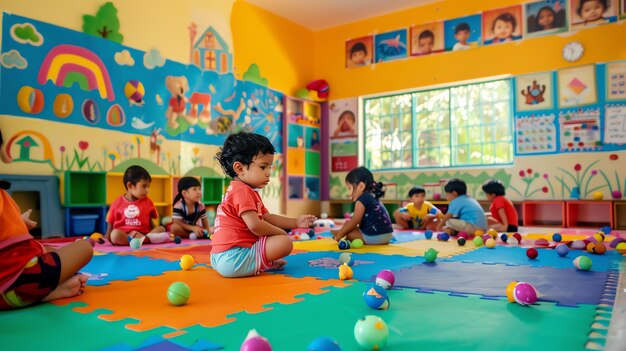
Active parental involvement strengthens the impact of early education. Educators often share guidance and preschool learning tips with families to extend learning beyond the classroom. Encouraging reading, outdoor exploration, and creative activities at home complements school-based programs. Parents gain strategies to support their child’s cognitive, emotional, and social development, helping learners build confidence and curiosity. When parents and teachers work together, children benefit from consistent support, enhancing both academic performance and overall personal growth. These insights also empower parents to identify early interests and tailor learning experiences to nurture each child’s potential.
Preparing for Future Academic Success
Early education provides the foundation for smooth transitions into higher levels of learning. Students develop essential skills such as focus, time management, communication, and collaboration. Exposure to structured routines and varied learning experiences builds resilience and adaptability. Schools encourage children to explore independently while receiving guidance, creating confident learners ready for future challenges. Educators also share insights to read the latest posts on effective learning strategies, helping families reinforce development at home. These foundations ensure students are prepared academically, socially, and emotionally for their ongoing educational journey, paving the way for long-term success.
Inspiring Confidence and Joyful Learning
A nurturing environment encourages children to explore their world, express themselves, and approach challenges with enthusiasm. Early exposure to interactive, creative, and collaborative activities instills confidence and resilience. When children associate learning with joy and discovery, they develop a positive attitude toward education that extends throughout their lives. By balancing structured guidance with opportunities for play and imagination, early education programs help learners build essential skills while fostering curiosity, independence, and a lifelong love for learning. Children who experience this environment gain not only knowledge but also a sense of accomplishment and self-worth that motivates them to embrace every opportunity.