Firefighting has always been a field that demands bravery, quick decision-making, and reliable equipment. Over the years, as cities expanded and industrial hazards increased, the need for innovation in fire safety became undeniable. Today, artificial intelligence (AI) and robotics are transforming how fire emergencies are handled, offering faster responses, improved accuracy, and safer conditions for firefighters and the public. The combination of advanced technology with human expertise marks a turning point in modern firefighting.
The Role of Artificial Intelligence in Fire Detection
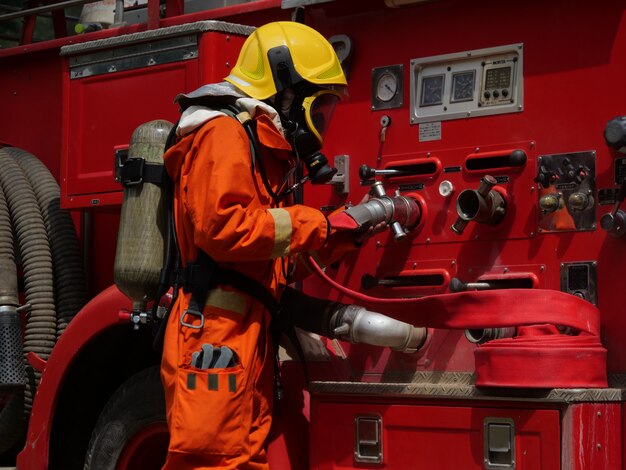
AI is now playing a crucial role in detecting fires before they become catastrophic. Smart sensors and AI-driven surveillance systems can identify smoke, heat, or gas leaks much faster than the human eye. These systems analyze patterns and instantly send alerts to emergency teams, reducing response times significantly. Early detection means smaller fires can be contained before they spread, minimizing both property damage and risk to human lives. AI technology is already proving to be a vital partner in reducing losses and ensuring public safety.
Robotics for High-Risk Environments
One of the most dangerous aspects of firefighting is entering environments that are filled with toxic smoke, high heat, or unstable structures. Robotics now allows these areas to be assessed without putting human lives at risk. Firefighting robots can be remotely controlled to spray water, release foam, or gather data on conditions inside hazardous areas. Organizations seeking advanced solutions for such scenarios often turn to trusted fire fighting equipment suppliers, who provide robotics integrated with safety systems. These machines not only save lives but also offer valuable insights during emergencies, making response efforts more effective.
Drones Supporting Aerial Operations
Drones are becoming indispensable in large-scale fire operations. They provide real-time aerial views that allow commanders to assess the spread of flames, identify hotspots, and guide ground teams effectively. Equipped with thermal imaging, drones can detect heat sources invisible to the naked eye, especially useful in wildfires where monitoring vast areas is challenging. This aerial perspective helps fire departments strategize better and deploy resources efficiently.
Data-Driven Decision Making
AI-powered systems collect and analyze enormous amounts of data, from past fire incidents to environmental conditions. This data helps in predicting risks, identifying vulnerable areas, and planning future strategies. Businesses and municipalities that integrate these technologies rely on fire fighting equipment suppliers to provide systems capable of combining AI analytics with robust safety hardware. With predictive insights, emergency teams can prioritize prevention, reducing the likelihood of severe outbreaks. Such proactive measures reflect how AI is revolutionizing not just firefighting but overall community safety planning.
Collaborative Robotics for Firefighting Teams
Beyond robots that operate independently, collaborative robots—also known as cobots—are being developed to work alongside human firefighters. These machines can carry heavy hoses, move debris, or even assist in rescuing people. Cobots reduce physical strain and enable firefighters to focus on critical decision-making tasks. Their integration into firefighting teams demonstrates the growing synergy between human skill and machine precision.
Enhancing Safety Through Automation
Automation in firefighting equipment ensures consistent performance even under stressful conditions. For example, automated sprinkler systems, controlled by AI algorithms, can target fire zones more precisely, reducing water wastage and damage to property. Similarly, robotic arms attached to firefighting vehicles can maneuver with accuracy in spaces too dangerous for humans. These innovations represent how automation is improving safety standards and operational efficiency simultaneously.
Innovations in Training With AI
Firefighting requires rigorous training, and AI is reshaping how new recruits prepare for real-world challenges. Virtual reality (VR) and AI-driven simulations replicate fire scenarios, allowing trainees to experience emergencies without actual risk. These training modules teach quick decision-making, proper equipment use, and team coordination. Advanced programs can even adjust scenarios based on performance, offering personalized learning experiences. This not only enhances skill but also boosts confidence when facing actual emergencies.
The Future of Firefighting Technology
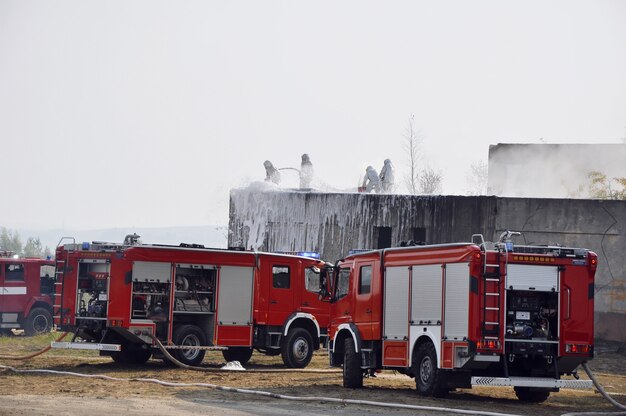
Looking ahead, AI and robotics are set to play an even greater role in firefighting. Vehicles equipped with autonomous navigation may reach fire sites faster by avoiding traffic. AI-driven drones could create detailed 3D maps of burning buildings to guide rescue operations. The contributions of fire fighting equipment suppliers will remain vital in turning these ideas into reality, ensuring fire departments have access to cutting-edge technology that keeps pace with technological progress. Their ability to merge innovation with practical safety solutions ensures that firefighters remain equipped for the challenges of tomorrow.
Conclusion
The integration of AI and robotics into firefighting is more than just a technological advancement—it is a commitment to saving lives, protecting property, and creating safer communities. From drones offering aerial insights to robots entering hazardous zones, every innovation reduces risks and improves efficiency. As the field continues to evolve, the partnership between technology developers and equipment suppliers will shape the future of firefighting. By embracing these changes today, societies can build stronger, safer systems for the future, ensuring that when emergencies strike, they are met with preparedness and resilience.